Early Roots Picture a smoky backroom in 17th‑century Venice. Dice clatter, fortunes rise and fall in seconds. That’s the cradle of gambling, raw and unregulated. By the 1800s, gambling houses sprouted across Europe, each a micro‑economy of risk and reward. Look: the first documented roulette wheel spins in France, a simple wooden disk that would […]
The History of Casino Games: From Brick-and-Mortar to Online

Early Roots

Picture a smoky backroom in 17th‑century Venice. Dice clatter, fortunes rise and fall in seconds. That’s the cradle of gambling, raw and unregulated. By the 1800s, gambling houses sprouted across Europe, each a micro‑economy of risk and reward. Look: the first documented roulette wheel spins in France, a simple wooden disk that would become the archetype for every spin today.

Golden Age of the Physical Casino

Enter the 20th century. Las Vegas, Monte Carlo—cities built on neon and the relentless hum of slot machines. Here the casino became a theater, a place where architecture, hospitality, and chance performed a synchronized ballet. Dealers in crisp jackets, the click of chips, the roar of crowds—that’s the intoxicating formula that turned gambling into mainstream entertainment.

Innovation on the Felt

Slot machines evolved from mechanical lever‑pulls to electromechanical marvels in the 1960s. Then came video slots, their reels replaced by tiny screens. And poker? Gone from dusty saloons to glitzy tournament rooms where the World Series of Poker turned amateurs into millionaires overnight. These upgrades weren’t just tech; they were strategic moves to keep the cash flow moving.

The Digital Disruption

Fast forward to the mid‑1990s. The internet cracks open, and suddenly the casino floor can fit on a monitor. Early online sites were clunky, but they promised 24/7 access, no travel, no dress code. By the early 2000s, software giants introduced random number generators, making virtual tables as fair (on paper) as the real thing. Look: the first live‑dealer stream in 2003 bridged the gap—players could watch a real dealer shuffle from their sofas.

Mobile Mania

Smartphones turned every pocket into a portable casino. In 2012, a single tap could spin a slot or place a blackjack bet while waiting for the bus. The speed of adoption was insane—developers rushed to compress graphics, optimize latency, and secure transactions. And the result? A user base that dwarfs the foot traffic of any brick‑and‑mortar venue.

Regulation and Trust

Online gambling forced regulators to play catch‑up. Licences issued in Malta, Gibraltar, and the Isle of Man became the gold standard. Players now demand provably fair algorithms, encrypted wallets, and rapid withdrawals. The industry answered with blockchain‑based provable fairness, turning transparency into a selling point.

Future Pulse

VR casinos whisper promises of immersive tables where avatars sit across from you, the atmosphere feeling almost tactile. Meanwhile, AI curates personalized game recommendations, nudging players toward higher‑payout slots based on their playstyle. The line between physical and digital keeps blurring, and the next big wave is already shaping the horizon.

Here is the deal: if you want to stay ahead, integrate a seamless mobile experience, secure your platform with a reputable licence, and sprinkle a dash of live‑dealer action. goldenliononlineuk.com already exemplifies that mix—copy the model, test relentlessly, and you’ll be betting on success.

Early Roots Picture a smoky backroom in 17th‑century Venice. Dice clatter, fortunes rise and fall in seconds. That’s the cradle of gambling, raw and unregulated. By the 1800s, gambling houses sprouted across Europe, each a micro‑economy of risk and reward. Look: the first documented roulette wheel spins in France, a simple wooden disk that would […]


Early Roots Picture a smoky backroom in 17th‑century Venice. Dice clatter, fortunes rise and fall in seconds. That’s the cradle of gambling, raw and unregulated. By the 1800s, gambling houses sprouted across Europe, each a micro‑economy of risk and reward. Look: the first documented roulette wheel spins in France, a simple wooden disk that would […]
The History of Casino Games: From Brick-and-Mortar to Online

Early Roots

Picture a smoky backroom in 17th‑century Venice. Dice clatter, fortunes rise and fall in seconds. That’s the cradle of gambling, raw and unregulated. By the 1800s, gambling houses sprouted across Europe, each a micro‑economy of risk and reward. Look: the first documented roulette wheel spins in France, a simple wooden disk that would become the archetype for every spin today.

Golden Age of the Physical Casino

Enter the 20th century. Las Vegas, Monte Carlo—cities built on neon and the relentless hum of slot machines. Here the casino became a theater, a place where architecture, hospitality, and chance performed a synchronized ballet. Dealers in crisp jackets, the click of chips, the roar of crowds—that’s the intoxicating formula that turned gambling into mainstream entertainment.

Innovation on the Felt

Slot machines evolved from mechanical lever‑pulls to electromechanical marvels in the 1960s. Then came video slots, their reels replaced by tiny screens. And poker? Gone from dusty saloons to glitzy tournament rooms where the World Series of Poker turned amateurs into millionaires overnight. These upgrades weren’t just tech; they were strategic moves to keep the cash flow moving.

The Digital Disruption

Fast forward to the mid‑1990s. The internet cracks open, and suddenly the casino floor can fit on a monitor. Early online sites were clunky, but they promised 24/7 access, no travel, no dress code. By the early 2000s, software giants introduced random number generators, making virtual tables as fair (on paper) as the real thing. Look: the first live‑dealer stream in 2003 bridged the gap—players could watch a real dealer shuffle from their sofas.

Mobile Mania

Smartphones turned every pocket into a portable casino. In 2012, a single tap could spin a slot or place a blackjack bet while waiting for the bus. The speed of adoption was insane—developers rushed to compress graphics, optimize latency, and secure transactions. And the result? A user base that dwarfs the foot traffic of any brick‑and‑mortar venue.

Regulation and Trust

Online gambling forced regulators to play catch‑up. Licences issued in Malta, Gibraltar, and the Isle of Man became the gold standard. Players now demand provably fair algorithms, encrypted wallets, and rapid withdrawals. The industry answered with blockchain‑based provable fairness, turning transparency into a selling point.

Future Pulse

VR casinos whisper promises of immersive tables where avatars sit across from you, the atmosphere feeling almost tactile. Meanwhile, AI curates personalized game recommendations, nudging players toward higher‑payout slots based on their playstyle. The line between physical and digital keeps blurring, and the next big wave is already shaping the horizon.

Here is the deal: if you want to stay ahead, integrate a seamless mobile experience, secure your platform with a reputable licence, and sprinkle a dash of live‑dealer action. goldenliononlineuk.com already exemplifies that mix—copy the model, test relentlessly, and you’ll be betting on success.

Early Roots Picture a smoky backroom in 17th‑century Venice. Dice clatter, fortunes rise and fall in seconds. That’s the cradle of gambling, raw and unregulated. By the 1800s, gambling houses sprouted across Europe, each a micro‑economy of risk and reward. Look: the first documented roulette wheel spins in France, a simple wooden disk that would […]


More

Taxi Pluvieuse

Taxi Pluvieuse

Great Carlo

Great Carlo

The minimalism of Ibiza

The minimalism of Ibiza

A Surrealist apart

A Surrealist apart

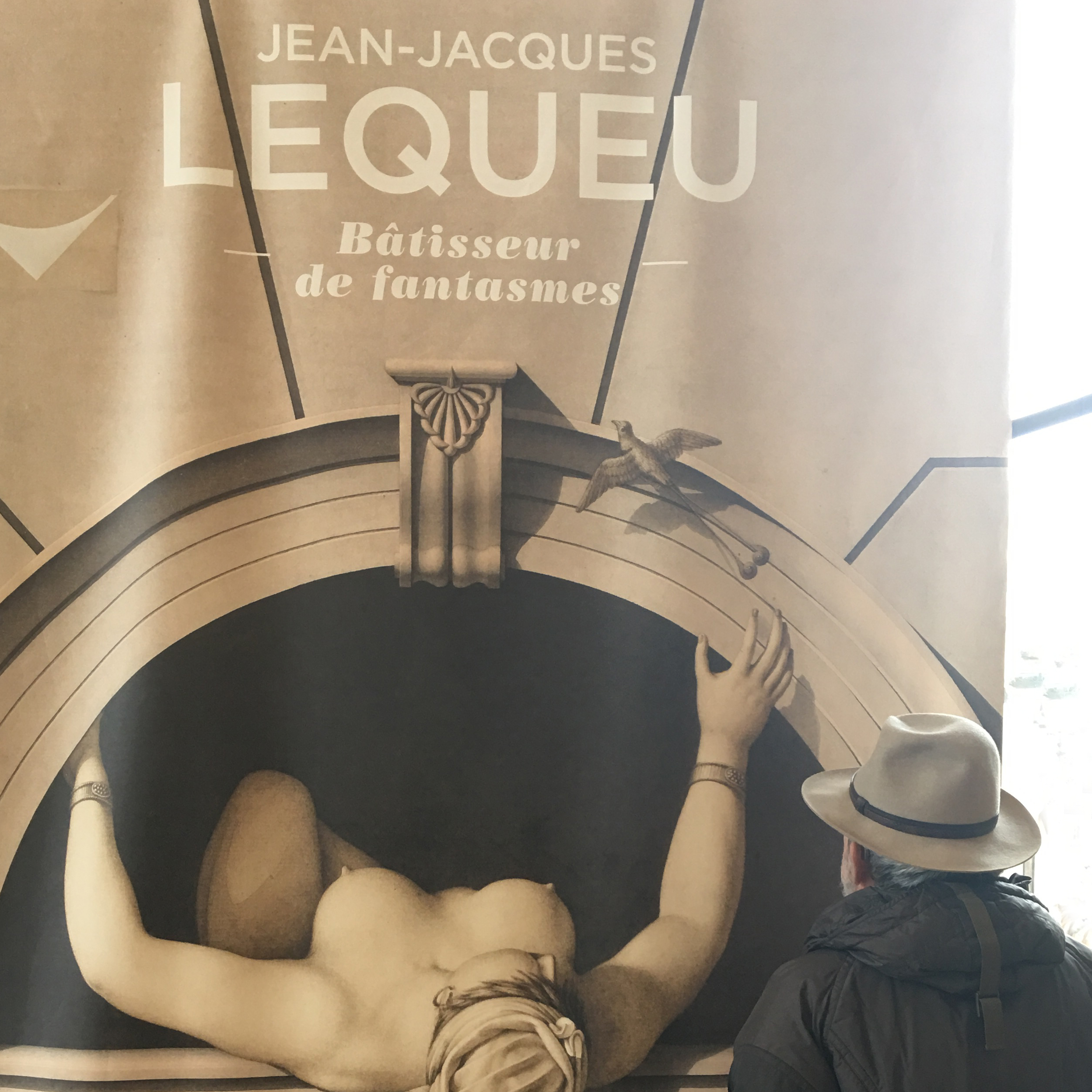
Bâtisseur de fantaisie

Bâtisseur de fantaisie

Open to the sky

Open to the sky

Another beautiful talented

Another beautiful talented

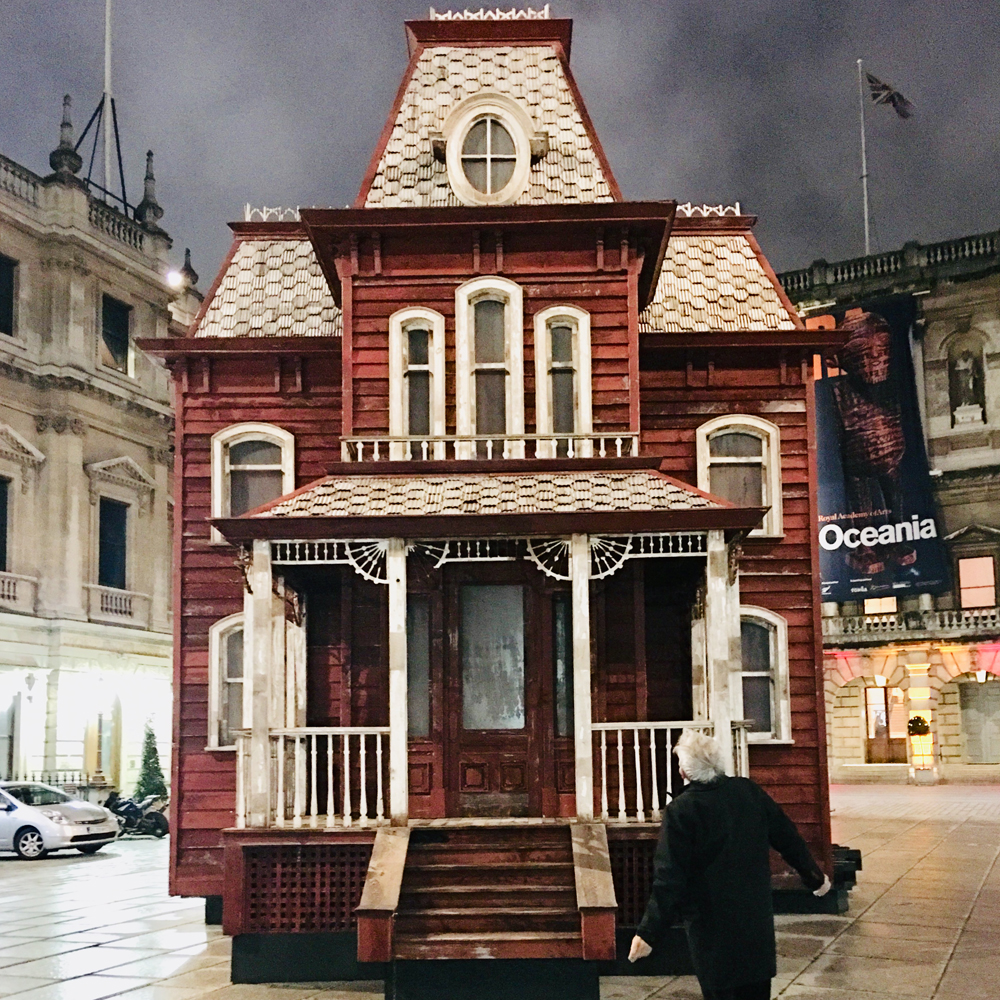
PsychoBarn

PsychoBarn

La grande bellezza

La grande bellezza

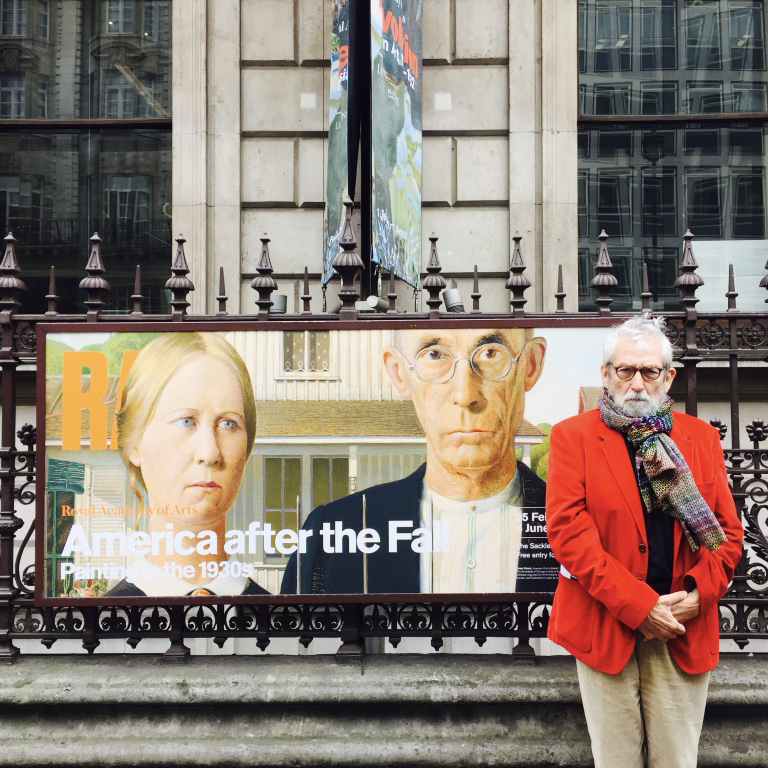
“Amerikana” painting

“Amerikana” painting

Paving with memory

Paving with memory

Historical High Tech

Historical High Tech

Eiffel made them possible

Eiffel made them possible

Mercat Vell (Old Market)

Mercat Vell (Old Market)

Balenciaga

Balenciaga

Funny remark

Funny remark

The magic of the non-parallel

The magic of the non-parallel

Pop or falla?

Pop or falla?

Knossos

Knossos

Shades of Hemingway

Shades of Hemingway

Order and dignity

Order and dignity

Sleepwalking

Sleepwalking

Mary

Mary

Christina’s World

Christina’s World

Magnificent realism

Magnificent realism

Bravo Enzo

Bravo Enzo

Natural size

Natural size

Jump!

Jump!

Hell according to Rodin

Hell according to Rodin

La grande bellezza

La grande bellezza

A white South African

A white South African

When you are a boy

When you are a boy

The honesty of Art

The honesty of Art